Big Island Flower Crown Guide: Haku Lei for Your Hawaii Session
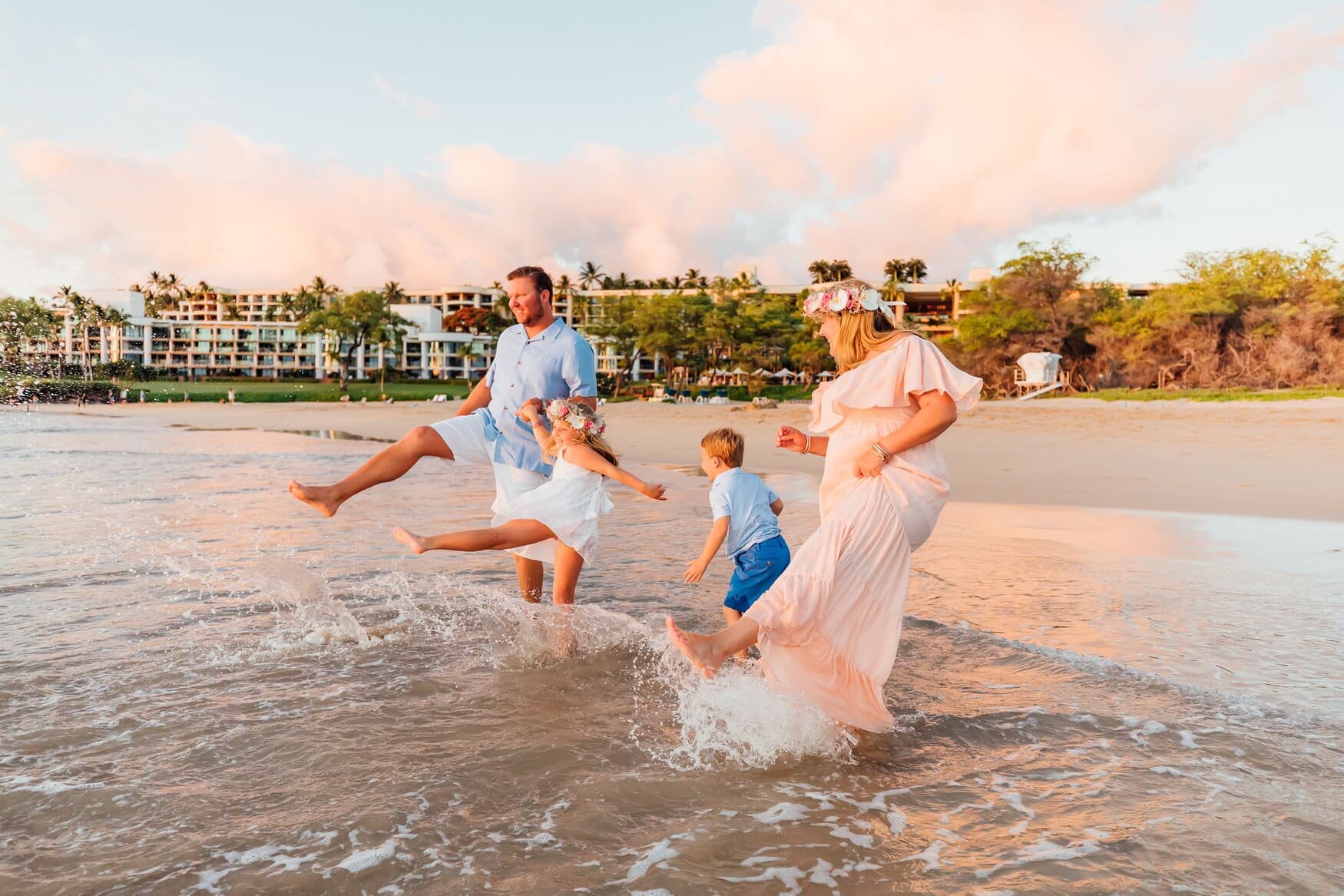
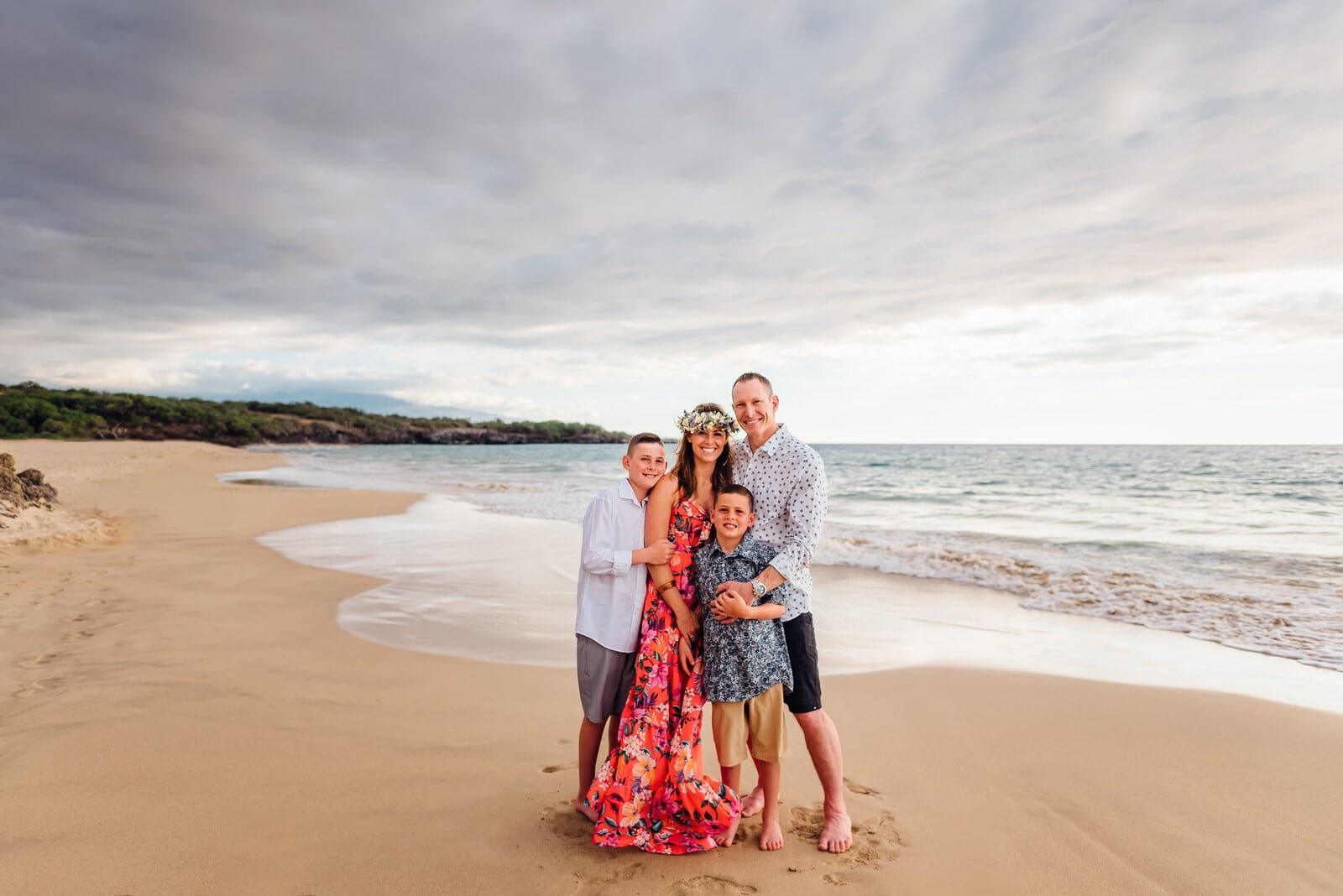
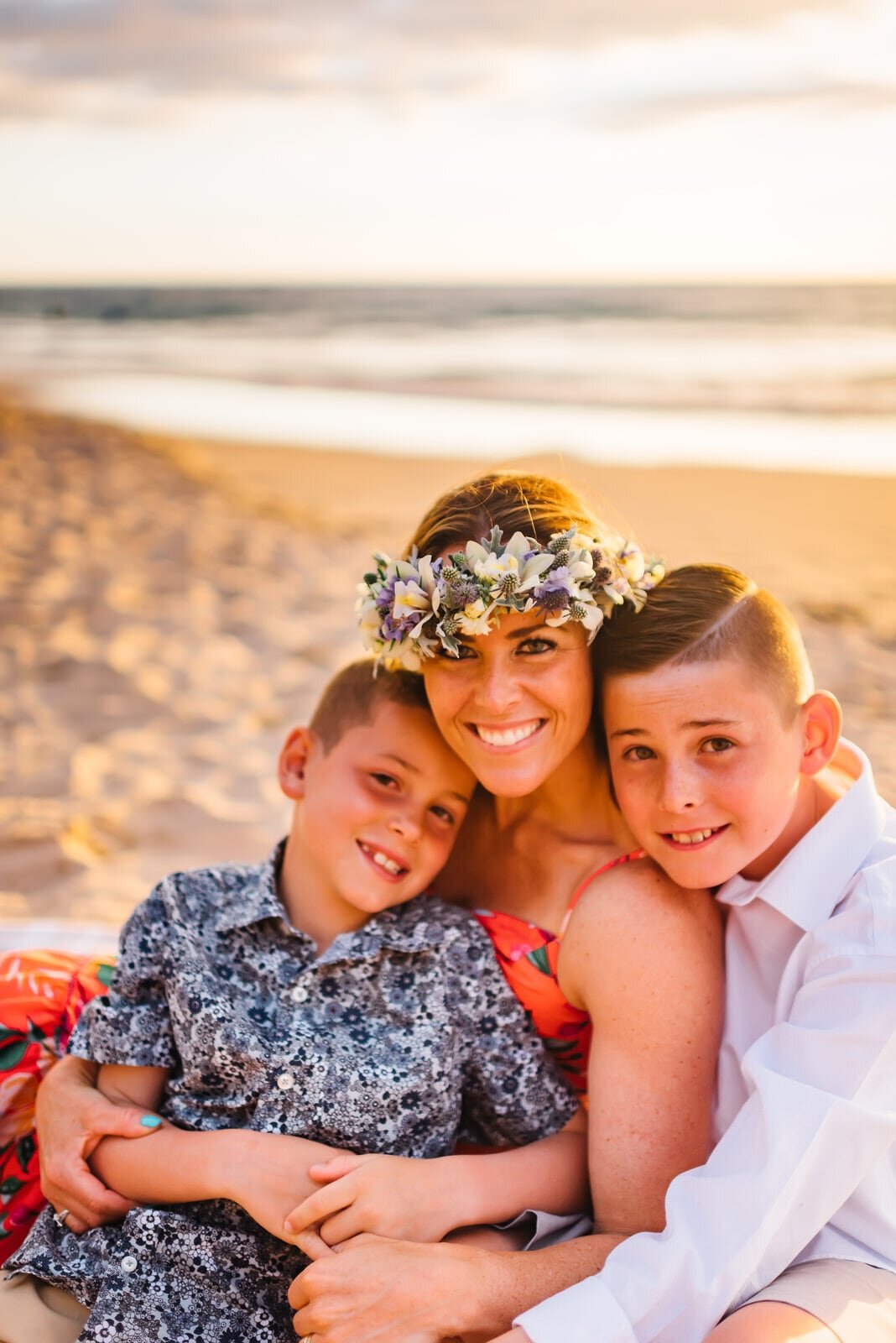
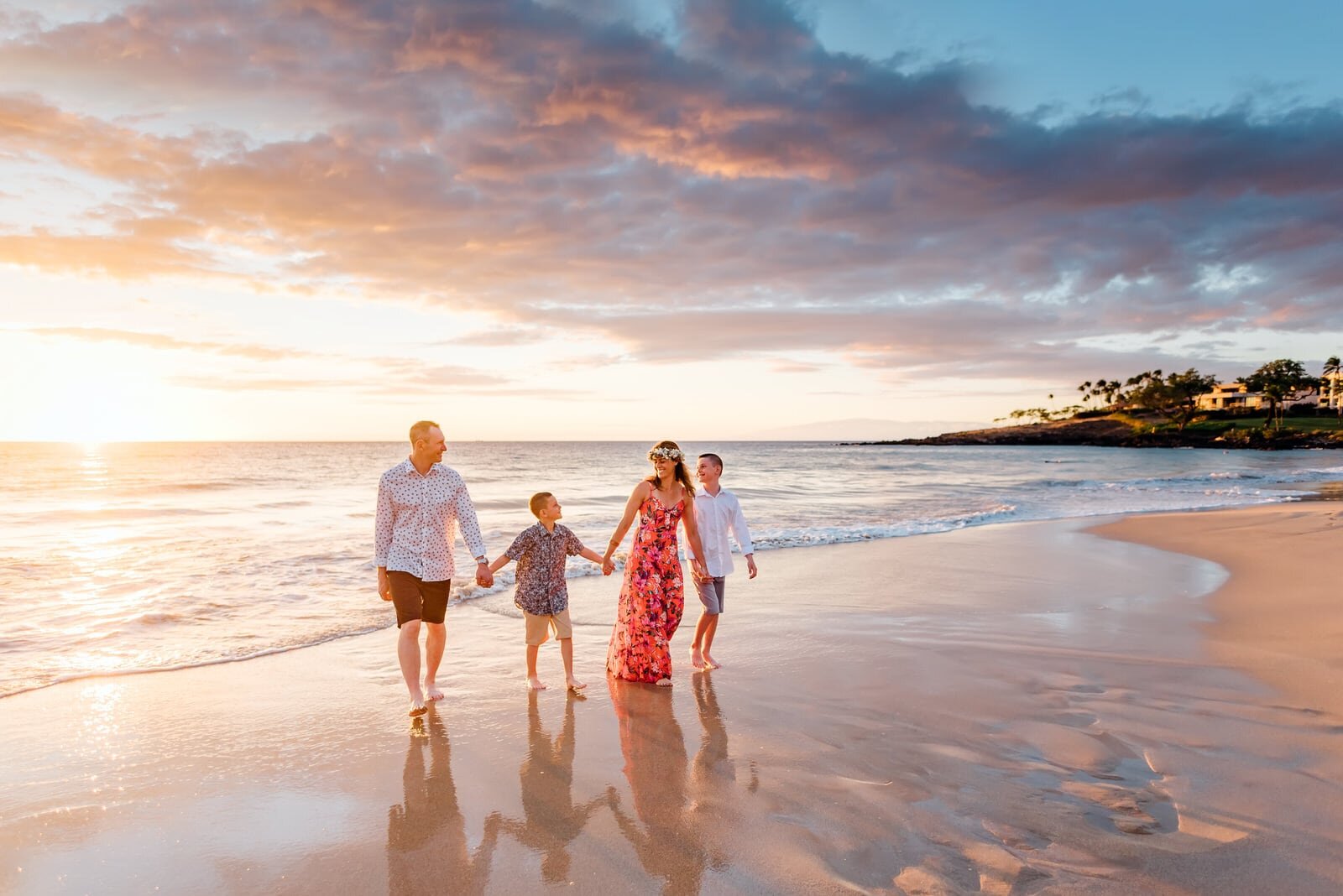
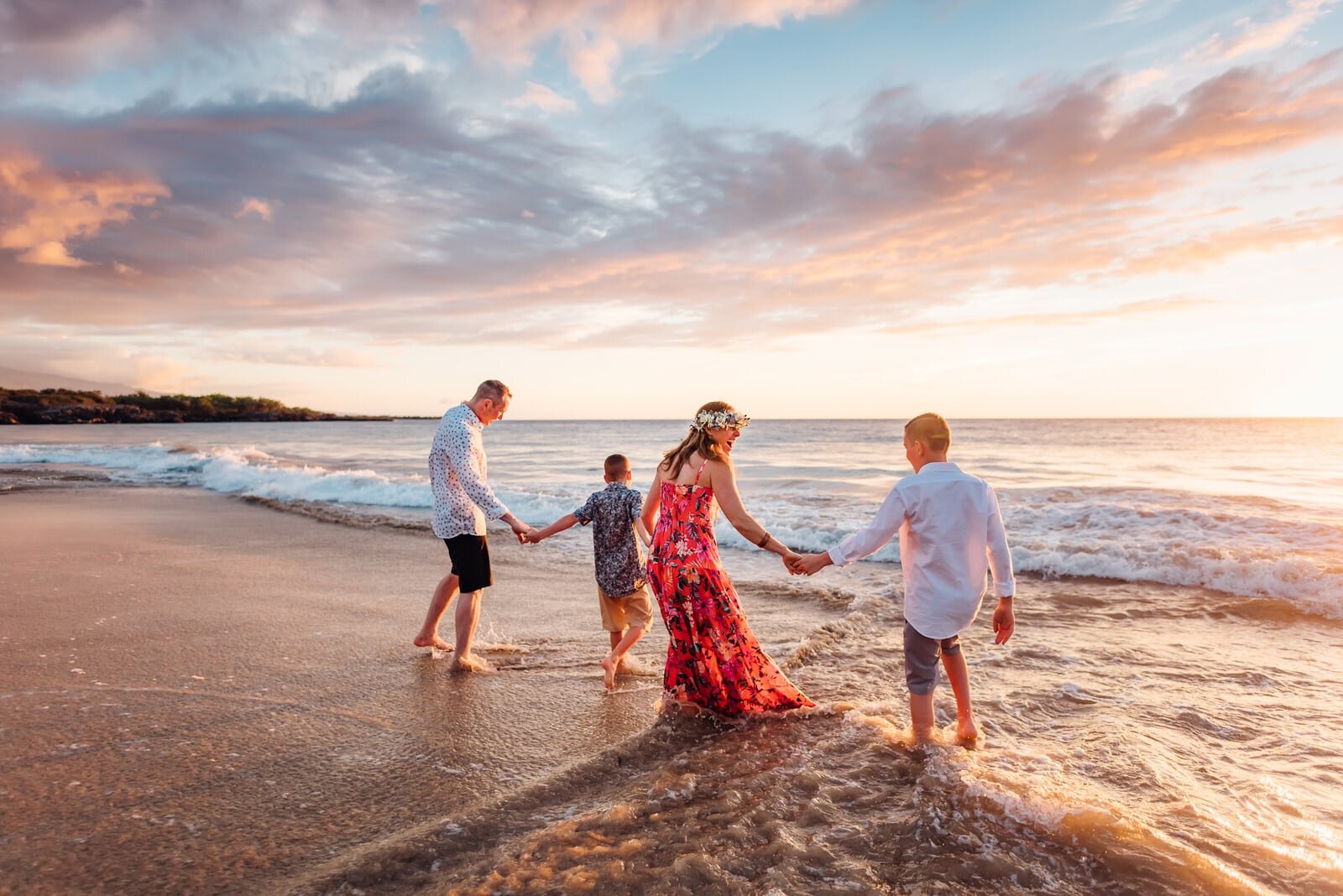
If you’ve ever wondered why so many Hawaii beach portraits feature a flower crown, there’s nothing else quite like it. A haku lei, worn on the head, is one of those details that transforms a photo from nice to something you’d actually hang on your wall. And on the Big Island, where golden hour light and tropical landscapes do their thing, a fresh flower crown is one of the best investments you can make before your session.
This guide covers everything you need to know about Big Island flower crowns: what a haku lei actually is, which flowers photograph well (and which to avoid), where to order on the Big Island, how far in advance to reach out, how to care for your lei during and after your session, and how to style a crown for photos. I’ve also included our current list of Big Island flower crown vendors at the bottom, makers I personally work with and know will take good care of you. For a deeper look at the lei makers we collaborate with across all islands, see our guide to honoring Hawaii lei makers.
What is a haku lei?
In Hawaii, the word “lei” refers to any garland worn on the body, made from flowers, leaves, shells, seeds, feathers, or other natural materials. Lei have been part of Hawaiian culture since the first Polynesian voyagers arrived, and they carry meaning that goes well beyond decoration. They’re given to express love, celebrate milestones, honor someone, or mark a passage. To receive a lei is to receive aloha.
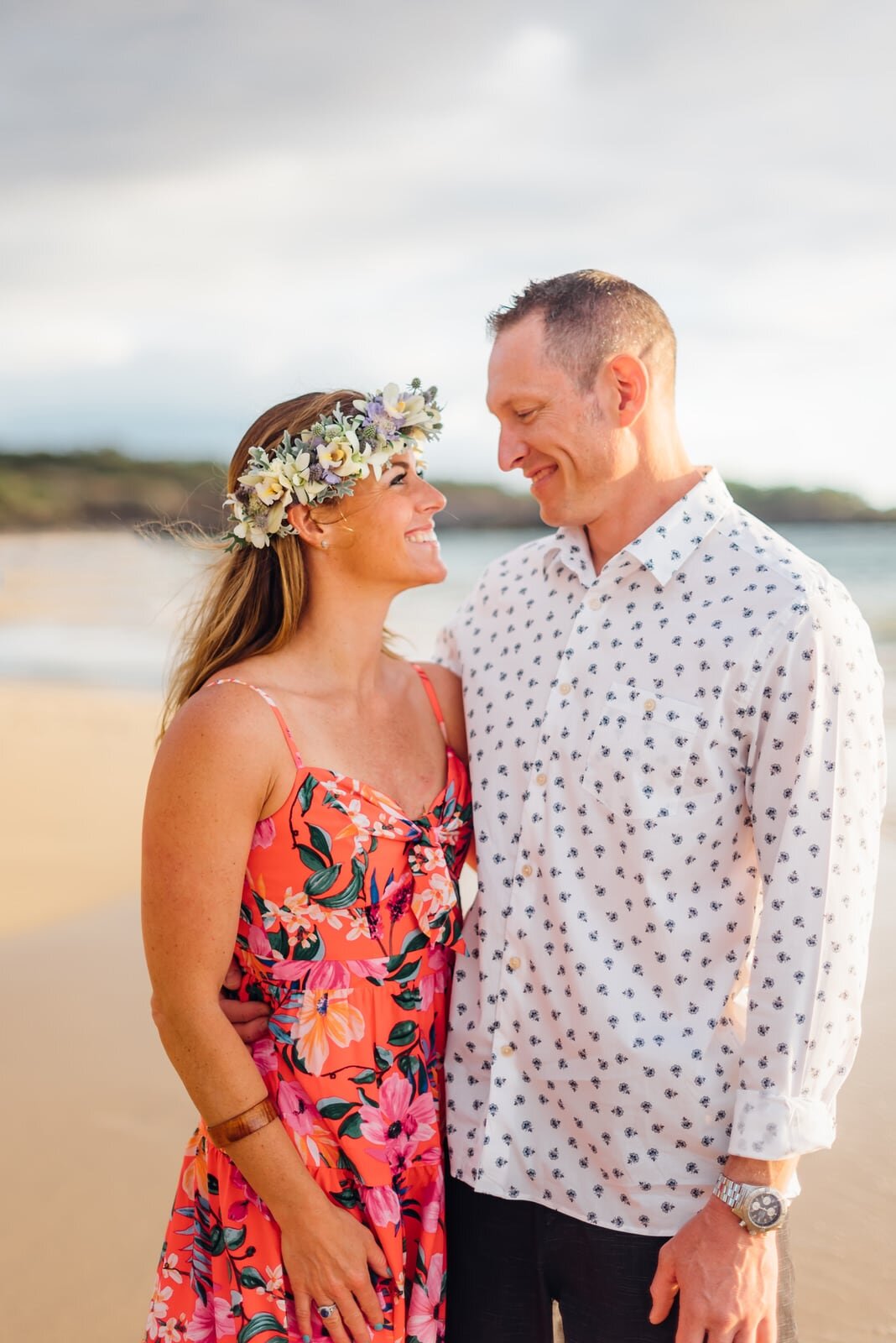
A “haku” is a specific weaving style where flowers and foliage are braided or wrapped around a base, usually ti leaf or raffia. The result is what most people picture when they think of a Hawaiian flower crown: a full, structured wreath worn on the head. Technically, any lei worn on the head is called a lei po’o, and a haku is one specific method of making it, but in everyday use, “haku” has become the common shorthand for a flower crown.
What makes a haku lei different from a generic flower crown you’d buy at a festival is the craft behind it. Each one is made by hand, often with locally grown or foraged flowers, and the construction is meant to hold up through an outdoor session in Hawaii’s heat and wind. A well-made haku is sturdy, comfortable, and beautiful in photographs in a way that a wire-and-hot-glue version simply isn’t.
The cultural weight behind a lei
Lei are not a tourist accessory. They’re a living tradition in Hawaii, one that connects people to the land, to each other, and to generations of Native Hawaiian practice. When you choose to include a haku lei in your photo session, you’re participating in something meaningful. That’s part of why these images tend to feel different from sessions without them. When you order a haku lei from a local maker on the Big Island, you’re supporting that tradition directly. You’re putting money into the hands of someone who has likely spent years learning the craft, who sources flowers carefully, and who cares about what they’re making. That matters, and I think it shows in the photos.
Which flowers photograph best
Not all flowers are created equal when it comes to photography, and Hawaii’s outdoor light and wind add some specific considerations.
Colors that work best on camera are warm and soft: pinks, corals, oranges, yellows, cream, and white. These tones photograph well in golden hour light and complement most skin tones and outfit palettes. If you’re coordinating with a pink, blush, or earth-tone outfit, a tropical floral crown in similar tones will feel intentional and cohesive.
Blue flowers are genuinely rare in Hawaii florals. Most native Hawaiian flowers don’t come in blue, and what’s available is limited. If you request blue, your florist will either tell you it’s not possible or work with imported blooms. It’s better to let the florist guide you toward what’s actually available and in season.
Hibiscus is another one to know about. It’s gorgeous and it’s everywhere in Hawaii, but it wilts quickly once cut, especially in wind and direct sun. A session can run 60 to 90 minutes, and hibiscus may not make it to the end looking fresh. Florists who work regularly with photographers know this and will steer you toward hardier options.
The flowers that hold up best are typically hardy tropicals: orchids, plumeria, anthurium, and tropical greenery and ferns. Certain native plants like palapalai fern, maile, and lehua are also traditional and beautiful. A skilled florist will know what’s in peak season during your visit and build the crown around those.
How far in advance to order your Big Island flower crown
This is the most common question I get about flower crowns, and the answer is: earlier than you think!
The Big Island vendors I recommend fill up, especially during peak travel seasons. Spring break, summer, and the holiday window from late November through January are all high-demand periods. If you’re planning a photo session during any of those times, reach out to a florist as soon as your trip is confirmed, even if it’s months away.
For off-peak travel, a minimum of two to three weeks in advance is a solid baseline. One week is cutting it close. Same-day or next-day orders are sometimes possible but not guaranteed, and you may have limited choice in flowers and style.
When you reach out, tell the florist your session date, the time of day (morning versus sunset), your outfit colors, and how many crowns you need. If you’re bringing kids, give their ages so the florist can size the keiki crowns correctly. A haku that doesn’t fit won’t stay on during a beach session, and a good florist will ask about this if you don’t mention it first.
Big Island flower crown vendors we recommend
These are the makers I personally work with and recommend to clients. Each has their own style, so it’s worth looking at their work before reaching out.
Wild Blooms
Wild Blooms is one of my longtime Big Island favorites. Britt’s designs balance texture, movement, and color in a way that feels full without being overdone. The construction allows light to filter through the lei, which creates a softness in photos that flat or overly compressed crowns don’t have. Visit Wild Blooms.
Shoots Blooms
Shoots Blooms is known for bold, textural work with deep roots in local sourcing. Lily’s designs are particularly strong for multi-generational sessions, where you want each person’s crown to feel intentional and distinct without clashing. Visit Shoots Blooms.
Lalamilo Flower Girl
Lalamilo Flower Girl’s style leans more classic and elegant. Her crowns tend to be lighter and are well-suited for maternity sessions or anyone who wants a more refined look. Visit Lalamilo Flower Girl.
Uhiuhi Flower House
Uhiuhi Flower House brings a lush, garden-style aesthetic. If you want something that feels abundant and tropical, this is a good place to start. Visit Uhiuhi Flower House.
Grace Flowers Hawaii
Grace Flowers Hawaii is a strong option, particularly if you’re looking for something with a softer, pastel palette. Visit Grace Flowers Hawaii.
Hakus by Bunny
Hakus by Bunny is a smaller operation but one I’ve been happy to recommend. Her work is thoughtful and personal. View on Instagram.
How to care for your lei during and after your session
A fresh lei needs a little attention to stay looking its best, especially in Hawaii’s heat.
- Keep it refrigerated until you’re ready to leave for the session. If you’re picking it up the morning of an evening shoot, put it in the fridge until late afternoon. Don’t leave it in a hot car. Most florists will include care instructions with your order, so follow those.
- During the session, I’ll let you know if anything needs adjusting. Wind can shift a crown, and I’ll often reposition it between setups. You don’t need to worry about it. Just wear it.
- After the session, you can keep wearing your haku for the rest of your trip. A well-made crown will last two to three days if you return it to the refrigerator at night and mist it lightly with water. Some clients wear them to dinner or around the resort for the rest of their stay. That’s part of the joy.
- When it’s time to let it go, the traditional approach is to return the lei to nature: hanging it in a tree, burying it, or returning it to the place the flowers came from. If that’s not practical, composting works too.
Styling tips for photos
A few things from the photographer side that are worth knowing:
A haku lei acts like a soft headband, which is genuinely useful on the beach. Wind is a constant on the Big Island, and a flower crown keeps hair away from faces and out of eyes without products or clips. It’s both beautiful and practical.
For color coordination, the florist will help, but a general guide: if your outfit is earth tones (blush, dusty rose, rust, sage, cream), lean toward warm pinks, corals, and tropical blooms in similar tones. If your outfit is white or cream, almost any flower color works. If you’re in a brighter outfit, go with whites and soft tropicals rather than adding more color competition.
For maternity sessions, an open lei draped across the belly is a beautiful option alongside (or instead of) a head crown. In Hawaiian tradition, this carries meaning as a symbol of blessing and protection for an unborn child. You can see this in a lot of the sessions in our Hawaii maternity photographer guide.
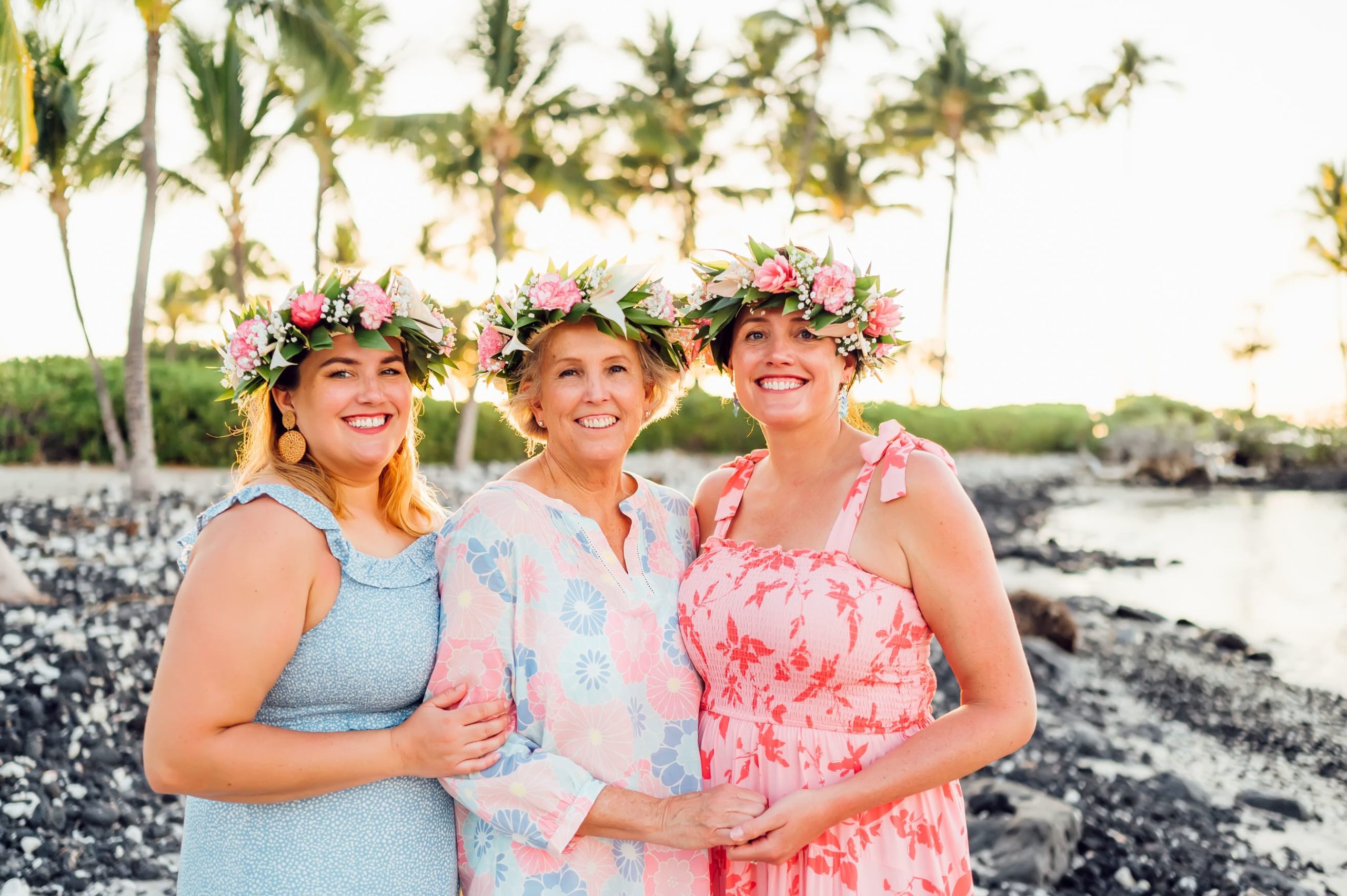
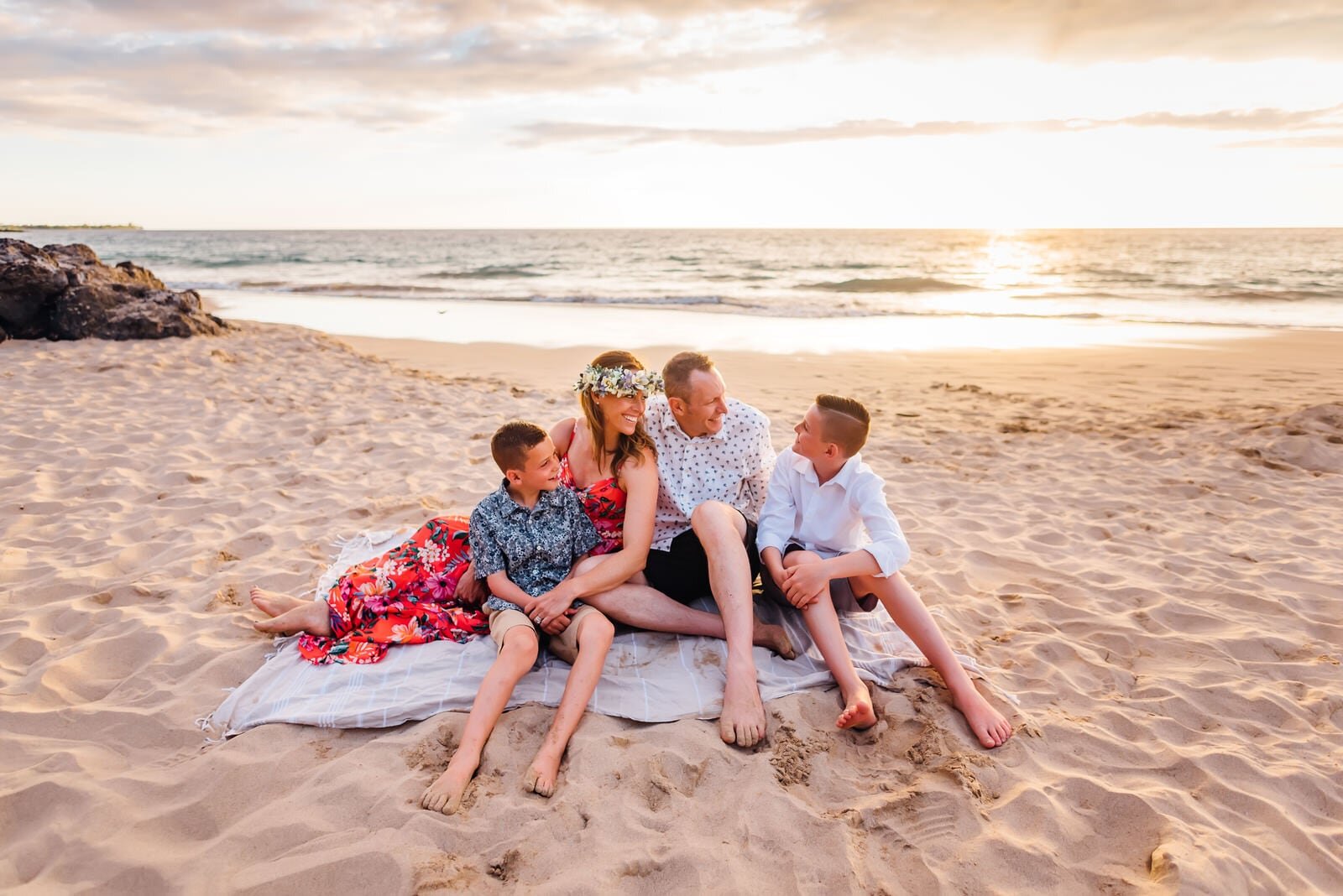
For multi-generational or extended family sessions, coordinating crowns across women and girls of different ages creates layered, meaningful images. Grandmother, mom, daughter, and granddaughter all in fresh Hawaiian florals is a photograph people keep for a long time.
If you’re planning a photo session on the Big Island and want help figuring out which vendor to reach out to, I’m happy to point you in the right direction. All of the makers listed above are ones I’ve worked with directly and trust with my clients. Reach out through the contact form and we’ll get you set up.
You Might Also Like